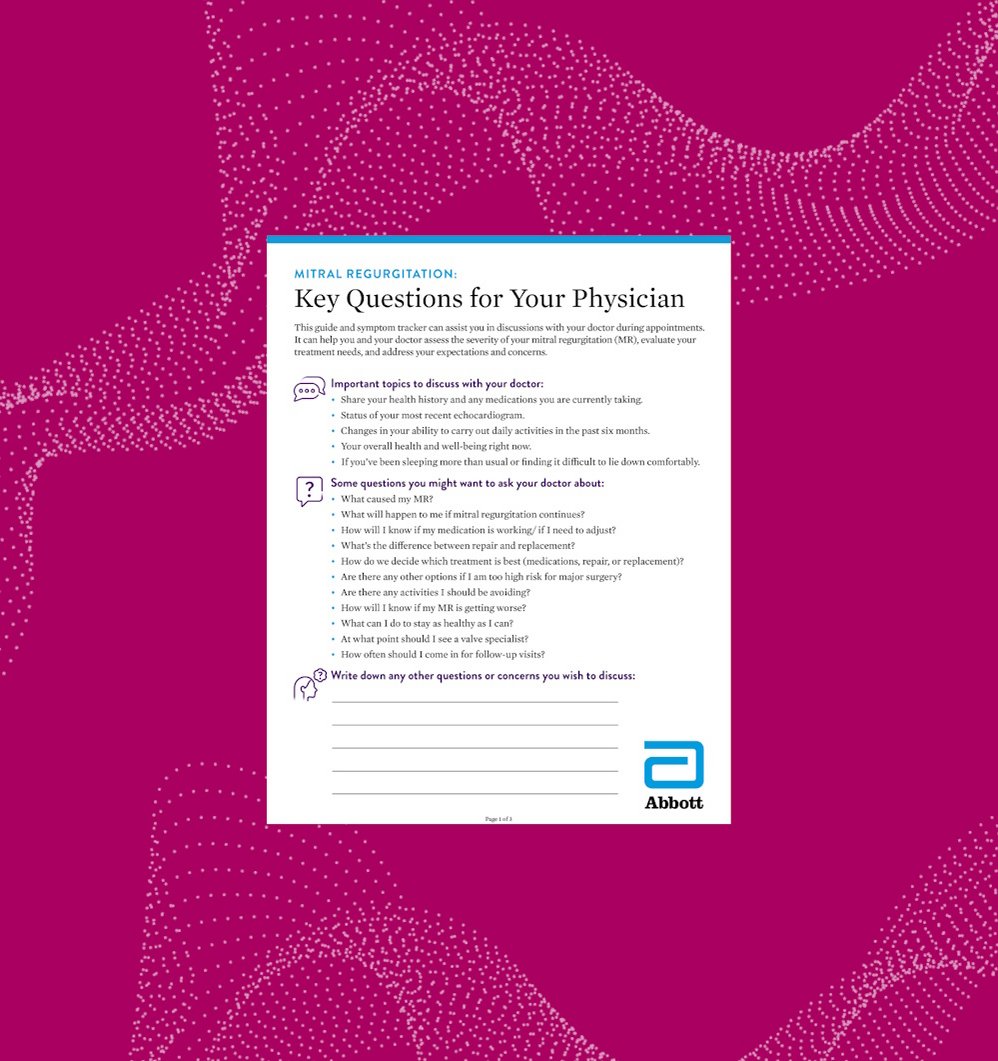

Understanding mitral regurgitation
Discover what causes a leaky mitral valve and how it can affect your health.
Mitral regurgitation overview
A small leak in the mitral valve can make a big difference for your heart
Your heart keeps blood moving through your body. It sends blood to your lungs to pick up oxygen, then pumps it back out to deliver that oxygen everywhere it’s needed. The heart has 4 chambers and small valves that work like one-way doors, opening and closing to keep blood moving in the right direction.
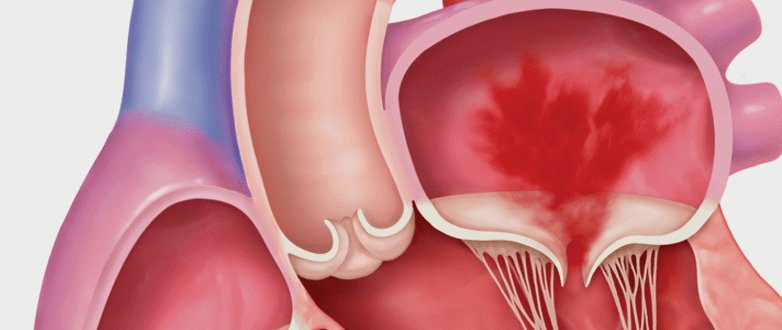
When someone has mitral regurgitation, the mitral valve doesn’t close completely. This leads to some blood leaking backward instead of moving forward. That is why mitral regurgitation is also known as “a leaky mitral valve” or “a leaky heart valve.”
To keep up with the leak, your heart works harder to move blood through your body. Over time, this strain can lead to other heart complications, including new or worsening heart failure.
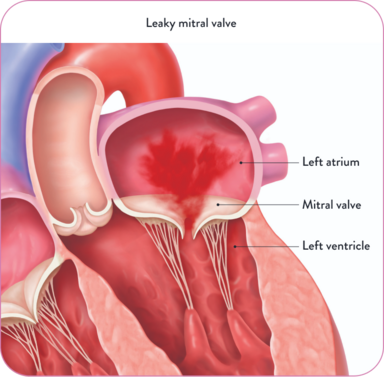

See how a leaky heart valve affects blood flow and what it means for your heart health.

See how a leaky heart valve affects blood flow and what it means for your heart health.

Types and Causes
There are 2 main types of mitral regurgitation
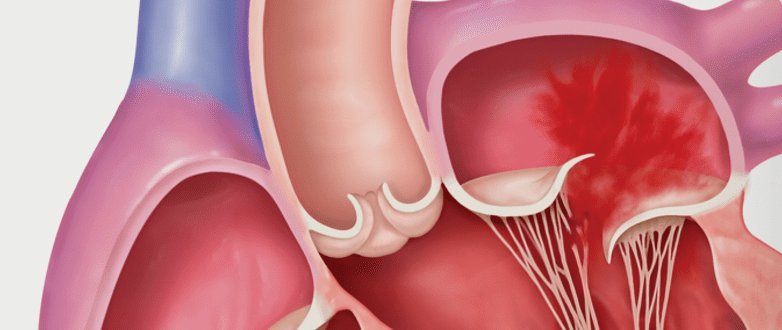
Primary mitral regurgitation (degenerative)
Caused by an abnormality in the valve itself, such as a birth defect, mitral valve prolapse (also known as MVP), age-related changes, or rheumatic fever.
Secondary mitral regurgitation (functional)
Caused by heart disease that enlarges the left ventricle or atrium, stretching the valve and preventing it from closing fully. This type of mitral regurgitation is most common in people with heart failure.
Symptoms
Mitral regurgitation symptoms can vary
Some people feel no symptoms for years, while others notice them right away. The most commonly reported symptoms of mitral regurgitation may include1-4:

Fatigue or low energy

Shortness of breath

Heart palpitations

Recurrent cough

Swollen feet or ankles

Lightheadedness or fainting
If you notice any of these symptoms, or your symptoms worsen, talk to your doctor.
A thorough exam can help determine if mitral regurgitation may be the cause.
Treatments
Protecting your heart’s future
Without treatment, mitral regurgitation can worsen over time, leading to reduced heart pumping function, and other serious complications. Treatments for mitral regurgitation are designed to reduce strain on your heart and lungs and help your heart pump blood more efficiently. Getting the right treatment early can help protect and restore your heart's function, and significantly improve your day-to-day life. In heart failure patients, a 5-year study showed that earlier treatment with MitraClip Therapy saved lives and reduced heart failure hospitalizations.5

If left untreated, up to 57% of heart failure patients with a leaky mitral valve may not survive past 1 year.6
Treatment options for mitral regurgitation include:

Medications
For heart failure patients, medications are often the first treatment, and some patients do improve with medication. In patients with a damaged mitral leaflet, medications are often not adequate because they do not repair the valve itself. There are a variety of medications available to help manage your mitral regurgitation. Your doctor will recommend the right regimen for your needs.

MitraClip™ Therapy
For some people, medications may not be enough to relieve symptoms, while others may be too sick for open-heart surgery. MitraClip Therapy offers a safe, minimally invasive option for correcting mitral regurgitation by repairing the valve and helping it close properly.

Surgical repair or replacement
If you're not a candidate for a minimally invasive therapy, your doctor may recommend surgical valve repair or replacement with an artificial (prosthetic) valve. Each surgical approach offers different benefits and risks, depending on your specific needs.

Discuss all treatment options with your doctor
Your doctor can describe the risks and benefits and help you decide which option is right for you.
Is MitraClip Therapy right for me?
Use our quick questionnaire to see if you might be a candidate for MitraClip Therapy.

Ready to discuss with your doctor?
If your mitral regurgitation symptoms are interrupting your daily life, download this discussion guide to prepare for your next doctor’s appointment.